Dine & Grind: The Story Behind Chef’s Table: David Gelb on Jiro, Storytelling & Reinventing the Series
Snibbs Footwear
Dine & Grind: The Story Behind Chef's Table—Lessons from David Gelb on Grit, Storytelling, and Reinvention
On our latest episode of Dine & Grind, we sat down with David Gelb—the creator and visionary force behind Chef’s Table—to explore a journey filled with surprise turns, creative risk-taking, and the relentless pursuit of emotional storytelling. Gelb’s cinematic eye and honest storytelling have not just redefined food TV but inspired chefs, entrepreneurs, and creatives to keep reaching for that extra “something” in their work and lives.
Here’s what we learned from David about grit, legacy, and why embracing risk is sometimes the most delicious ingredient of all.
From Sushi Bars to Silver Screens: A Passionate Detour
David Gelb’s path didn’t start in kitchens or even behind a camera. As a kid, he dreamed of acting and Hollywood blockbusters—not capturing the life of sushi master Jiro Ono or reimagining the direction of food documentaries. But after enrolling at USC Film School and dipping his toes in big-budget ambitions, a twist led Gelb to the documentary world. He describes falling into this calling almost accidentally: “Falling into documentary was something that was just not expected,” he recalls. Instead of chasing spectacle, Gelb found magic in honest, compact stories told with a small crew and big heart.
Betting Big—On Yourself
Jiro Dreams of Sushi, Gelb’s first feature doc, was almost a lesson in creative uncertainty. When he began following Jiro Ono, the then 83-year-old chef whose relentless pursuit of perfection had earned him three Michelin stars in a humble Tokyo subway restaurant, Gelb faced doubts—not least from Jiro himself. “He’s making the most boring film of all time. Please tell him we will not be offended if he goes home, wasting all of his money and wasting his life doing this,” Jiro jokingly said to Gelb’s translator. But Gelb stuck with it, certain that the story was one he wanted to see—even if no one else did.
Funding came directly from family. Gelb remembers that mix of faith and fear: “I borrowed money from my dad and my grandparents...this will hopefully launch my career. I won’t have to ask for money again.” The scrappy crew? Gelb and a translator—just two people, chasing a vision.
Doubt, Grit, and the Power of Iteration
Making something original brings doubts. Gelb admits moments of existential worry—filming long hours in Japan on a dwindling budget, language barriers amplifying every uncertainty: “My bank account is dwindling. It’s expensive to be…Just being in Japan is expensive. But I love being there. And I just thought I could just put it together somehow and figure it out”. Despite the stress, giving up was never on the table. Gelb’s grit lay in iteration—constantly editing, fine-tuning, and embracing brutal feedback from early test audiences.
Legacy, Family, and Finding Your Story
Gelb felt the silent weight of family legacy. His father, general manager of the Metropolitan Opera, and his grandfather, former managing editor at The New York Times, set a high creative bar. “I wanted to make something that I felt was worthy of the family legacy,” he reflects, recognizing the universal theme of measuring up to those who came before you—a narrative mirrored in Jiro’s own relationship with his son, Yoshikazu.
Chef’s Table: From “Planet Earth of Food” to Cultural Phenomenon
After Jiro’s success (and an early wave of rejection from buyers who doubted its commercial appeal), Gelb began refining an even bolder idea: Chef’s Table. The ambition? Capture passionate chefs from across the globe—think “Planet Earth,” but for food, focused tightly on the emotional stories of its subjects rather than just their techniques.
Chef’s Table would become Netflix’s first original documentary series and its longest-running show. The show’s evolution and impact came from expanding beyond Michelin stars—showcasing Buddhist nuns, ramen makers, and street food stars, always seeking that “superhero origin story” rooted in passion.
The Secret Sauce: Vulnerability and Human Connection
How does Chef’s Table get such raw, real emotion? The secret, Gelb says, is in the way his team approaches chefs—with curiosity, humility, and respect. They invest the time: “Three to four hour interviews, sometimes three of them,” letting guarded chefs drop their armor and open up. Crucially, Gelb and his directors share vulnerably themselves—not visible on camera, but vital to establishing human trust.
Reinvention, Technology, and Always Striving Higher
Ten years in, Chef’s Table is far from coasting. Gelb is back on the ground, planning to direct all upcoming episodes himself—leveraging new, slimmed-down technology for intimate storytelling and chasing the next evolution of the show’s signature style. “If I learn one thing from Jiro, it’s never to be complacent and just to always be striving to go higher and higher and higher. And then sometimes you just have to kind of break it and then rebuild it”.
Patience, Persistence, and Dreaming: Gelb’s Recipe for Success
What are Gelb’s three key ingredients for success? “Patience, persistence, and dreaming.” He sums it up beautifully through a Japanese maxim about ambition and steady progress: “Gaze like a tiger and walk like a cow”. See far, move steadily, and never lose sight of your wildest dreams.
Final Bites
David Gelb’s journey is a testament to creative hustle, believing in yourself when no one else does, and iterating your way to greatness through storytelling that feeds the soul. Whether you’re running a kitchen, launching a food brand, or just pursuing your best self, Gelb’s lessons ring true: Take risks. Stay humble. Share your heart. And always keep dreaming big.
Want to step into your own journey with confidence?
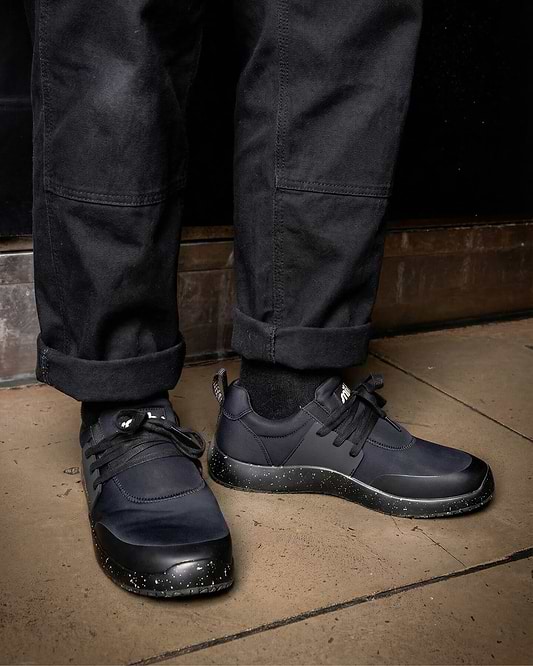
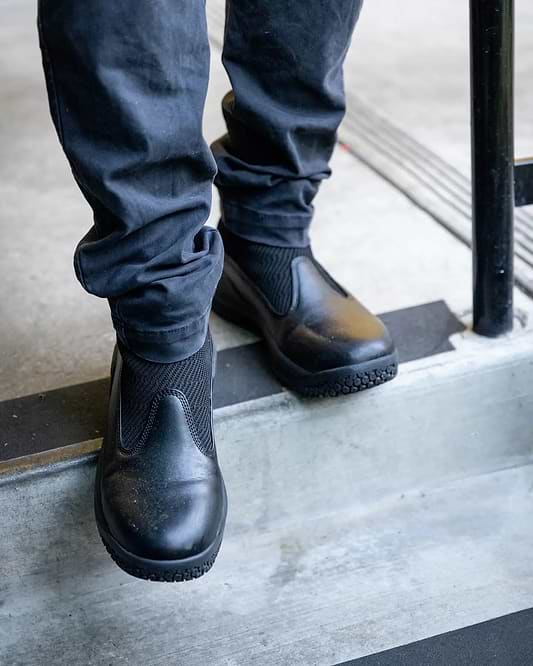
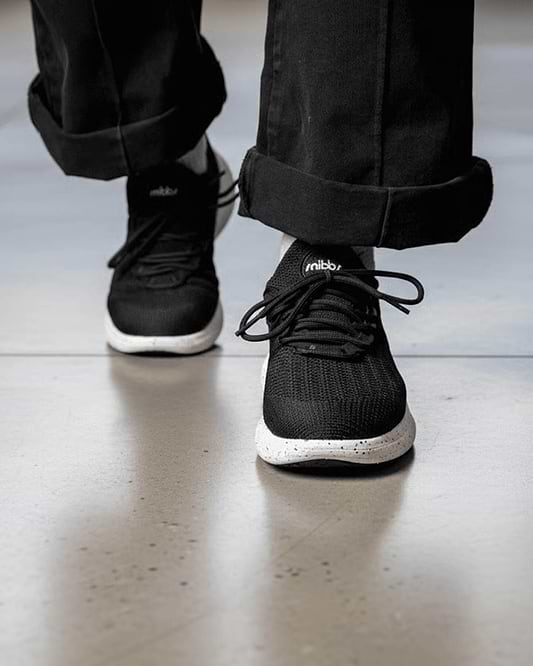
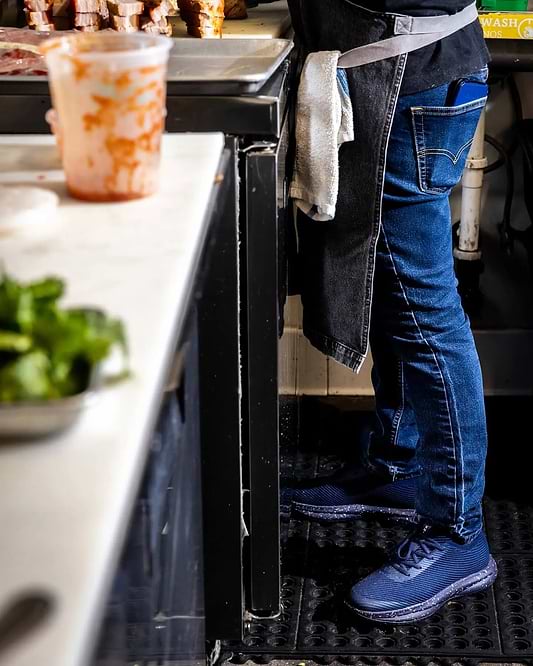
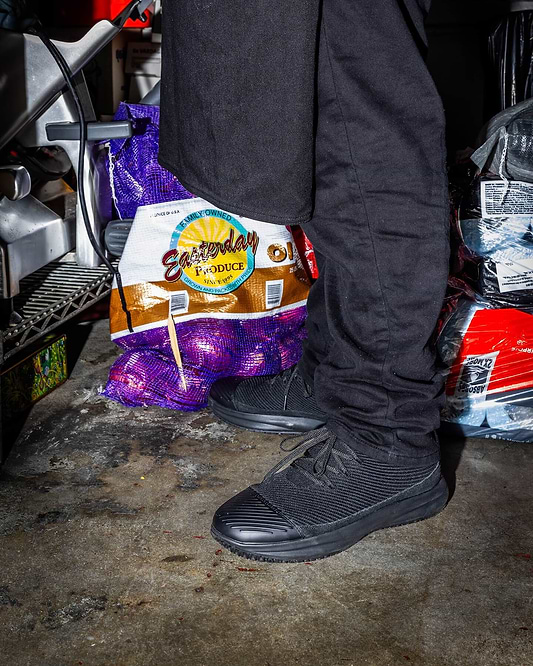
Check out the slip-resistant comfort and support of Snibbs chef shoes, designed for creators, leaders, and dreamers who grind on and off the line—just like David Gelb.
🎧 Listen now on Spotify, Apple Podcasts, or visit Dine & Grind for show notes and more inspiring chef interviews.